

What Is Gravity Die Casting?
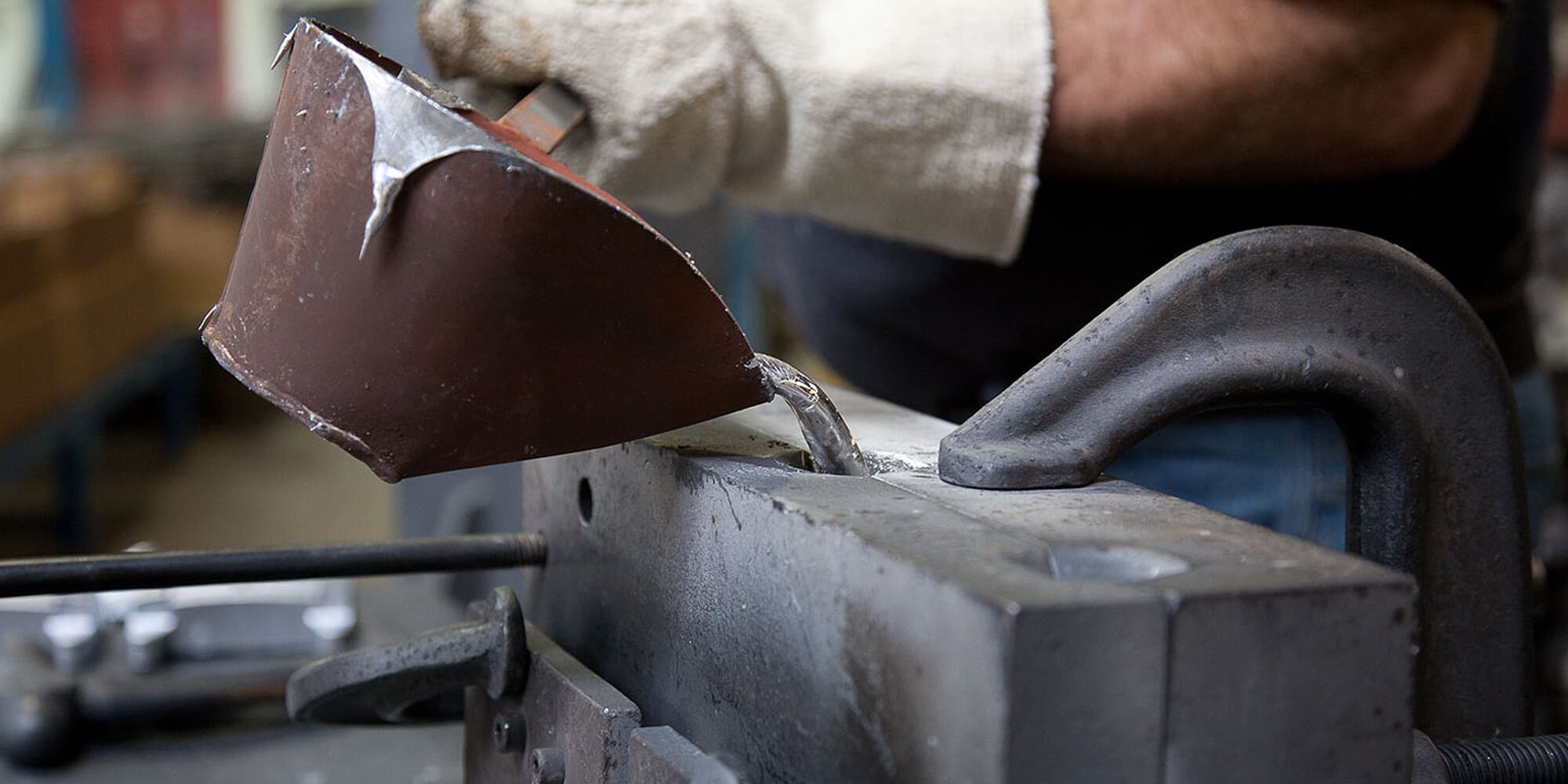
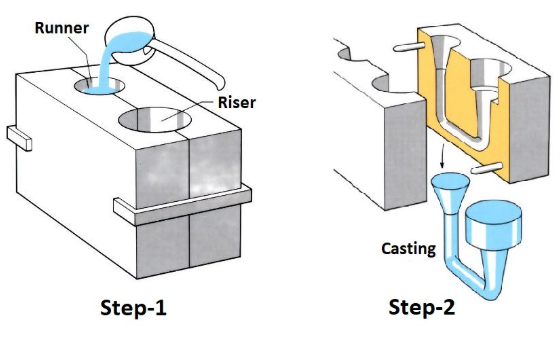
Gravity die casting is one of the oldest methods used for metal and metal alloy casting. In this process, molten metal is poured into the die cavity in liquid form using a ladle or vessel. The cavity opening is typically on the top surface, and gravity alone fills the die without any external force.
In some cases, the die is tilted to control the pouring process more accurately. Manufacturers may also use sand cores when holes, pores, or internal cavities are needed in the casting part.
For aluminum components, gravity die casting is generally better and faster than sand casting. However, conventional pressure die casting can be more suitable when faster filling and higher production speed are required.
Machine Types
- Automatic gravity die casting machines
- Manual gravity die casting machines
- Tilted dies for controlled pouring when needed
- Sand cores for internal holes and passages
Step-by-Step Process
The overall process is similar for both manual and automatic machines, although manual systems require hand pouring.
Gravity Die Casting Flow
The process moves from die preparation to metal melting, controlled pouring, cooling, part removal, and final finishing.
Heat the Die
First, heat the die and spray coating inside the cavity.
Melt the Metal
Melt the metal and transfer it through a ladle or vessel to the die.
Pour into the Cavity
Pour the liquid metal slowly into the cavity so gravity can fill the die.
Let It Solidify
Wait for the molten metal to cool and solidify completely.
Remove the Part
Open the die and carefully remove the solidified casting.
Machine as Needed
Finish the component with machining or trimming operations where required.
Benefits of Gravity Die Casting
- No external force is required to push molten metal into the mold.
- Gravity die cast parts usually have better density than sand cast parts.
- The process is often more economical than vacuum casting, squeeze casting, and similar methods.
- Components generally show less porosity and a better grain structure than sand casting.
- For small- and medium-volume production, it can be a cost-effective option.
- Parts offer good mechanical properties and are well suited for heat treatment.
- Surface finish is generally better than many other casting methods.
Drawbacks of Gravity Die Casting
- Manual gravity die casting takes more time than many other casting processes.
- It can be more difficult to manufacture highly complex parts with this method.
- For large-volume production of intricate components, faster die casting methods may be a better fit.
Is Gravity Die Casting Good for Mass Production?
When gravity casting was first introduced, it was mainly used for simple parts. With improved tooling and the use of sand cores, manufacturers can now produce more complex components as well.
Even so, newer die casting methods can be faster for large-scale production. Gravity die casting is still significantly cheaper than many other methods because the machines are simpler and more affordable. For mass production of simpler parts, it can be an excellent choice. For very large volumes of complex parts, it may not be the most efficient option.
If production volume is small or medium, gravity die casting remains one of the better and more economical process choices.
Applications
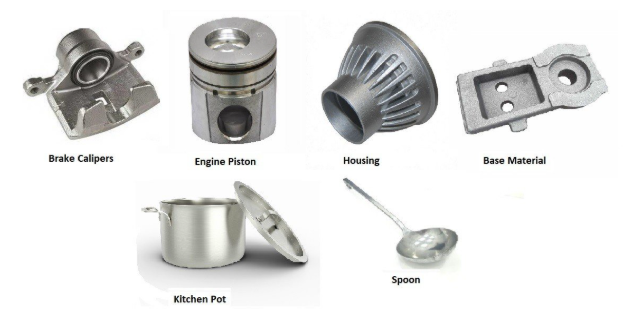
Modern gravity die casting technology is used across industries such as automotive, lighting, and kitchenware manufacturing.
- Automotive parts such as engine pistons, engine blocks, cylinder heads, and brake calipers
- Lighting parts such as LED light housings and base materials
- Kitchen components such as spoons, pots, and similar metal utensils
Alternatives to Gravity Die Casting
For large-volume production of intricate parts, aluminum pressure die casting is a strong alternative. Sand casting is another option, although it often requires more post-production machining and can become costlier in some cases.
For more precise parts, high-pressure die casting (HPDC) is often the preferred alternative. The right process depends on the component design, production volume, precision requirements, and budget.